Featured
Table of Contents
- – The Depression Situation: When Hope Really Fee...
- – Comprehending Depression's Neurobiological Ori...
- – Ketamine: A Revolutionary Device for Depressio...
- – Clinical Evidence: What the Research Reveals
- – Incorporating Psychotherapy: Beyond Medication...
- – EMDR for Depression's Roots
- – Accelerated Resolution Therapy for Depressive...
- – Inner Family Equipments for Self-Compassion
- – Therapy Methods: Framework and Practical Consi...
- – Beyond Medicine Resistance: Who Profits A lot of?
- – Contrasting Ketamine to Typical Depression The...
- – Neuroplasticity: The Secret to Long-term Adjus...
- – Managing Assumptions and Preventing Regression
- – Safety And Security, Side Results, and Threat ...
- – The Role of Set, Establishing, and Therapeuti...
- – Long-Term Outcomes: What Does Healing Resemble?
- – The Future: Expanding Accessibility and Refini...
- – Conclusion: A New Phase in Depression Treatment
The Depression Situation: When Hope Really Feels Out of Reach
Major depressive condition impacts over 21 million American adults each year, making it one of the leading root causes of disability worldwide. The weight of depression prolongs far beyond sadness-- it manifests as extensive vacuum, loss of rate of interest in once-loved tasks, squashing tiredness, trouble concentrating, sleep disruptions, and in extreme situations, self-destructive ideation. For those trapped in depression's grip, each day can really feel like an impossible obstacle, with also standard self-care jobs requiring huge initiative.
Conventional depression treatment follows a predictable however commonly irritating path. Clients try an SSRI or SNRI, wait 6-8 weeks to see if it works, adjust dosage, wait once more, and if not successful, switch to an additional medication and repeat the cycle. Weeks transform into months, months right into years, and hope gradually wears down. Researches show that only regarding one-third of people achieve remission with their first antidepressant, and with each succeeding trial, success prices decrease. For those with treatment-resistant depression-- specified as failing to react to at least two adequate medication trials-- the diagnosis becomes progressively disheartening.
The human expense is staggering. Depression ruins careers, connections, and lives. It isolates sufferers from liked ones, robs them of inspiration and enjoyment, and in the most severe instances, leads to self-destruction-- the tenth leading reason of death in the United States. The urgent need for faster-acting, much more efficient treatments has driven researchers to check out unique strategies, with Ketamine-Assisted Intensive Retreats emerging as one of the most encouraging advancements in decades.
Comprehending Depression's Neurobiological Origins
Depression is far even more than a chemical discrepancy or a shortage in serotonin, though that oversimplified model controlled psychiatry for years. Current neuroscience discloses depression as an intricate condition involving multiple brain systems, natural chemicals, and architectural adjustments.
The prefrontal cortex-- in charge of executive feature, decision-making, and emotional regulation-- shows minimized activity in depression. The hippocampus, critical for memory and mood regulation, frequently presents lowered volume in individuals with chronic depression, particularly those with a background of early life stress. The amygdala, the brain's psychological facility, comes to be hyperresponsive, producing increased reactivity to adverse stimulations and decreased responsiveness to favorable experiences.
At the cellular degree, depression involves loss of synaptic links-- the interaction factors in between neurons. Persistent anxiety and depression cause degeneration of dendritic backs in essential mind areas, basically trimming away the neural style needed for healthy and balanced mood policy. This synaptic loss assists discuss why depression really feels so debilitating: the brain has essentially shed several of its capacity to generate positive feelings, inspiration, and cognitive adaptability.
Neurotransmitter systems past serotonin play essential functions. Glutamate, the mind's main excitatory natural chemical, reveals dysregulation in depression. The brain-derived neurotrophic variable (BDNF)-- a protein essential for neuron development and survival-- lowers in depression, more compromising the mind's ability to keep healthy and balanced neural networks. Comprehending these devices reveals why antidepressants that only target serotonin usually give incomplete alleviation and why therapies that advertise neuroplasticity and synaptic development hold such guarantee.
Ketamine: A Revolutionary Device for Depression Relief
Ketamine represents a fundamentally different technique to treating depression. Unlike standard antidepressants that slowly raise monoamine natural chemicals over weeks, ketamine overcomes the glutamate system and sets off quick adjustments in brain connection and feature-- frequently within hours.
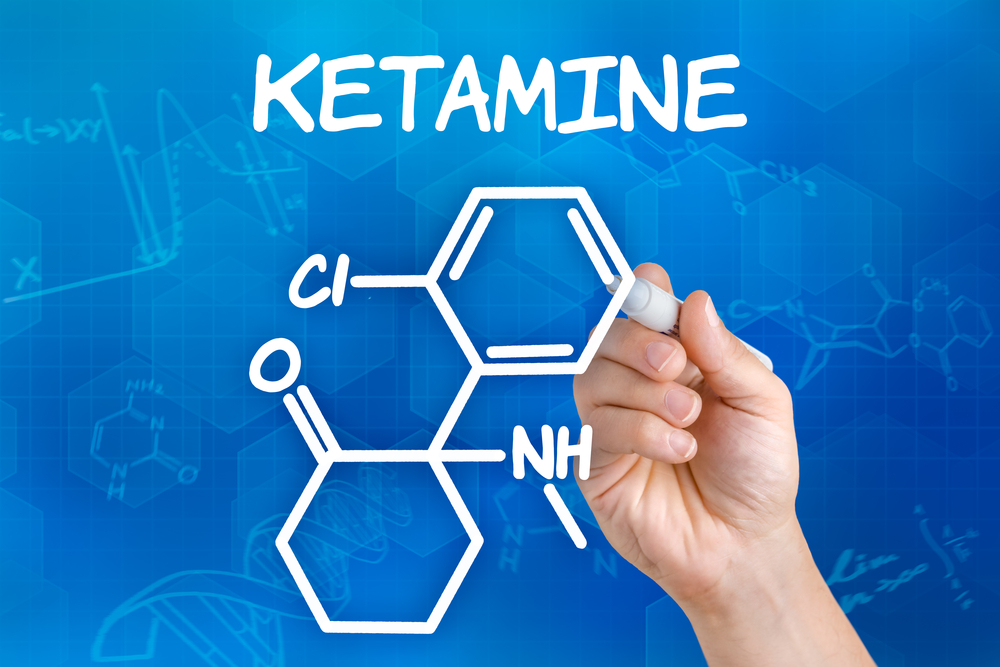
As an NMDA receptor villain, ketamine blocks details glutamate receptors, causing a cascade of neurobiological events. This clog results in boosted glutamate launch in other brain areas, activating AMPA receptors and establishing off a signaling cascade that promotes BDNF launch and promotes rapid synaptogenesis-- the development of new synaptic connections. Within hours of administration, ketamine can enhance the variety of dendritic backs in the prefrontal cortex, basically reconstructing some of the neural style that depression has actually worn down.
Study utilizing mind imaging has shown that ketamine rapidly enhances connection within crucial brain networks included in mood guideline. The default mode network-- commonly over active in depression and related to rumination-- reveals stabilized task patterns. Connectivity in between the prefrontal cortex and limbic areas improves, boosting emotional law capacity. These aren't just momentary changes yet appear to stand for actual restructuring of mind function that can continue well past the acute medicine results.
Probably most extremely, ketamine's antidepressant results usually start within hours to days instead of weeks. For a person in the midsts of suicidal depression, this rapid onset can be essentially lifesaving. The swift relief also supplies hope and motivation to engage with psychotherapy and various other therapies that might have really felt pointless before experiencing any type of sign improvement.
Clinical Evidence: What the Research Reveals
The evidence base for ketamine in treatment-resistant depression has grown significantly over the previous 20 years. Initial research studies in the early 2000s revealed that a single ketamine mixture might create rapid antidepressant results in individuals that had failed several standard treatments. These findings were originally satisfied with hesitation yet have actually been duplicated numerous times across various proving ground and patient populations.
A spots 2014 meta-analysis discovered that ketamine produced substantial antidepressant effects within 24 hr in individuals with treatment-resistant depression, with reaction rates around 60-70%-- considerably more than common antidepressant feedback rates. Subsequent research has actually analyzed duplicated application methods, discovering that numerous ketamine sessions over numerous weeks can expand and grow the antidepressant action.
Researches especially analyzing self-destructive ideation have revealed that ketamine can swiftly decrease self-destruction danger-- a searching for with profound scientific implications. Typical antidepressants bring cautions regarding possibly boosting suicide risk in the first weeks of treatment, but ketamine shows up to minimize suicidal thoughts within hours, supplying a vital safety benefit for risky patients.
Research study into ketamine-assisted psychotherapy-- incorporating ketamine with structured treatment rather than medication alone-- recommends much more durable and continual outcomes. The neuroplastic home window produced by ketamine appears to improve the effectiveness of psychotherapy, allowing individuals to make restorative development extra quickly than with either treatment alone.
Incorporating Psychotherapy: Beyond Medication Alone
While ketamine infusions alone can supply considerable antidepressant impacts, one of the most innovative programs integrate structured psychiatric therapy to make the most of and prolong benefits. The momentary neuroplastic state generated by ketamine produces an optimum window for restorative job-- a time when new perspectives, actions, and neural patterns can be developed much more easily.
EMDR for Depression's Roots
Many instances of depression have roots in previous damaging experiences-- childhood trauma, loss, being rejected, or failure. These experiences create adverse core ideas (" I wear," "Nothing will certainly ever improve," "I'm fundamentally damaged") that maintain depression even when existing scenarios enhance. EMDR Therapy Intensives helps people reprocess these foundational memories, minimizing their psychological charge and enabling even more adaptive point of views.
When integrated with ketamine's neuroplastic impacts, EMDR can collaborate with exceptional performance. Memories that might take months to refine in standard once a week therapy might move dramatically in just a few intensive sessions during the ketamine therapy window. Patients commonly report that long-standing beliefs about themselves or their lives transform as the memories underlying these beliefs are recycled and incorporated in different ways.
Accelerated Resolution Therapy for Depressive Images
Depression involves not simply adverse ideas yet negative mental images-- scenes of past failures, visualizations of grim futures, or consistent pictures of loss and vacuum. These photos preserve depressive state of mind and cognitive patterns. Accelerated Resolution Treatment (ART) gives tools for changing this depressive imagery with voluntary photo substitute.
The mix of ketamine and ART appears especially effective for depression. Ketamine might bring onward imagery that has been maintaining depression, while ART offers immediate devices for transforming this material. The procedure can really feel revelatory-- patients see the images that have actually been automatically driving their state of mind and can actively transform them, commonly experiencing prompt emotional shifts.
Inner Family Equipments for Self-Compassion
Depression frequently involves severe self-criticism and a fractured sense of self. Interior Family Equipments Treatment (IFS) helps individuals recognize their inner experience as including different "parts"-- the depressed part that really feels helpless, the vital part that attacks the self, the part that desires to quit, and beneath them all, a core Self efficient in concern and knowledge.
Ketamine appears to assist in accessibility to Self-energy in manner ins which can be greatly recovery for depression. Several people report that during ketamine sessions, they experience a viewpoint shift-- suddenly able to observe their depression with empathy instead than being completely related to it. This development of Self-awareness produces the possibility of associating with depression in a different way, developing the internal resources to sustain rather than assault the depressed components. Combination job making use of IFS assists individuals maintain this compassionate position toward themselves, progressively changing the harsh internal setting that maintains depression.
Therapy Methods: Framework and Practical Considerations
Ketamine-assisted psychiatric therapy for depression commonly starts with detailed psychiatric analysis consisting of depression extent assessment, suicide threat screening, treatment background, and medical clearance. Medical professionals review whether depression is the main condition or second to other problems like bipolar affective disorder, which needs different treatment methods.
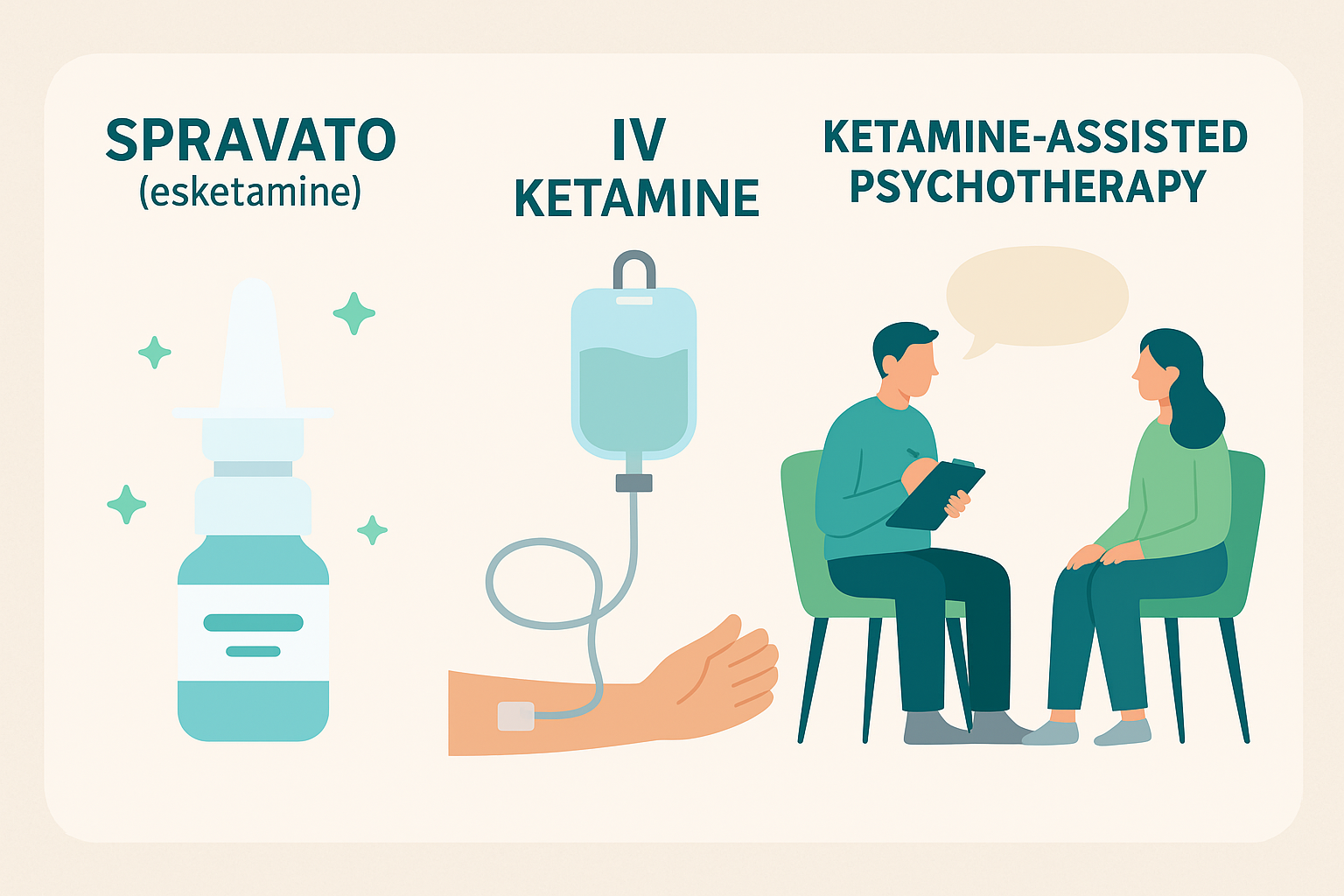
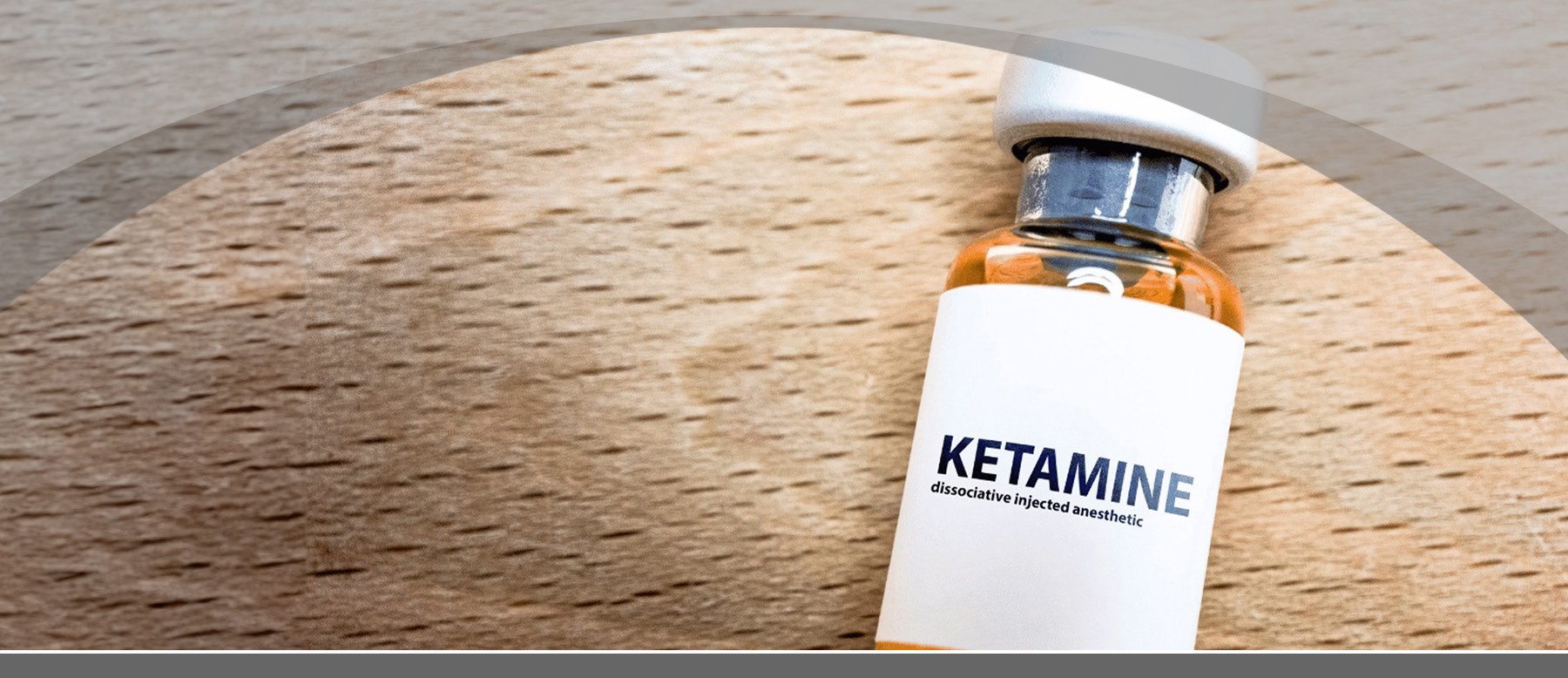
The ketamine administration stage most frequently utilizes intravenous infusion (0.5 mg/kg over 40 minutes), though intramuscular shot and sublingual lozenges are also made use of. IV management permits accurate application and tracking, which many medical professionals choose for depression treatment. The mixture occurs in a comfy establishing with minimal exterior excitement-- soft lighting, songs, and frequently eyeshades to help with an internal focus.
Treatment regularity differs by protocol. Numerous programs begin with two mixtures per week for 2-3 weeks (overall of 4-6 sessions), finding this regularity ideal for building and maintaining antidepressant results. Some extensive retreat programs supply therapies extra regularly over 1-2 weeks. The trick seems maintaining therapeutic momentum while permitting sufficient integration time between sessions.
Combination sessions complying with each ketamine administration offer vital psychotherapeutic job. These sessions might last 60-90 mins and concentrate on processing insights from the medication experience, addressing emerging material making use of EMDR, ART, or IFS, establishing behavior activation plans to combat depressive withdrawal, and building abilities for maintaining improvements. The combination job changes short-lived neurobiological shifts into long-term psychological and behavioral change.
Beyond Medicine Resistance: Who Profits A lot of?
While ketamine-assisted psychiatric therapy was originally examined mainly in treatment-resistant depression, clinical experience recommends more comprehensive applications. Those that have actually failed several antidepressant tests represent ideal candidates-- they have one of the most to get from a treatment with an unique system of action. People with severe depression and energetic self-destructive ideation may gain from ketamine's rapid results, possibly stabilizing dilemma circumstances that might or else need hospitalization.
Depression with significant anxiety symptoms may respond particularly well to ketamine, as the therapy addresses both conditions all at once. Those whose depression includes significant rumination-- recurring negative attitude that feels difficult to shut off-- usually report that ketamine offers the initial psychological silent they've experienced in years, creating space for different idea patterns to establish.
Patients whose depression has clear origins in past trauma or damaging experiences may profit particularly from combining ketamine with EMDR, as this addresses the underlying memories and beliefs keeping depression. Those with rough self-criticism as a famous feature might react well to ketamine plus IFS work, establishing the self-compassion that supplies a foundation for continual recovery.
Ketamine isn't appropriate for everyone. Those with uncontrolled high blood pressure, current heart strike, or energetic psychosis normally needs to not obtain ketamine. Individuals with active compound usage conditions call for cautious analysis, as ketamine itself lugs misuse capacity. Individuals with bipolar condition need specialized procedures and close surveillance, as ketamine can potentially cause manic episodes.
Contrasting Ketamine to Typical Depression Therapies
Typical antidepressants-- SSRIs, SNRIs, tricyclics, and MAOIs-- job by enhancing accessibility of monoamine natural chemicals, mostly serotonin and norepinephrine. They need weeks to get to performance, give complete remission in just regarding one-third of people, and often cause adverse effects consisting of sex-related disorder, weight gain, psychological blunting, and discontinuation signs when stopping.
Psychiatric therapy alone, specifically cognitive-behavioral therapy (CBT) and social therapy, has strong proof for dealing with mild to modest depression. Serious depression frequently harms the cognitive adaptability and motivation needed to fully engage with treatment. Several severely depressed clients lack the power or focus to finish therapy homework or execute behavior changes.
Electroconvulsive therapy (ECT) remains one of the most efficient treatment for serious, treatment-resistant depression, with action prices around 70-80%. ECT needs basic anesthetic, causes momentary memory impairment, and lugs considerable preconception that avoids many clients from considering it. Transcranial magnetic stimulation (TMS) uses a much less invasive option yet calls for daily sessions for 4-6 weeks and has more moderate efficiency than ECT.
Ketamine-assisted intensive retreats offer several prospective benefits over these alternatives. The rapid onset offers hope and motivation when individuals are most helpless. The neuroplastic results address depression's underlying synaptic pathology rather than just natural chemical levels. The mix with extensive psychotherapy profits from the boosted discovering capability ketamine develops. The pressed timeline-- commonly 1-2 weeks versus months of therapy-- aspects clients' time and maintains therapeutic momentum.
The major constraints are price (often $3,000-$ 10,000 for therapy training courses, rarely covered by insurance), limited geographic schedule, and a smaller evidence base than standard therapies, though this is swiftly expanding.
Neuroplasticity: The Secret to Long-term Adjustment
The most amazing element of ketamine for depression might be its neuroplastic impacts-- the promotion of brand-new neural links that permit fundamentally various patterns of reasoning, sensation, and behaving. Traditional antidepressants primarily take care of signs and symptoms; ketamine appears to help with real mind changes that can linger past acute therapy.
Study shows that ketamine's effects on synaptogenesis happen within hours and can last days to weeks. This produces a critical home window where the mind is particularly flexible and receptive to establishing brand-new patterns. Healing job throughout this window-- cognitive restructuring, memory reprocessing, behavior activation, ability structure-- gets inscribed even more deeply and properly than it might or else.
For individuals, this translates to experiencing shifts that really feel qualitative as opposed to simply measurable. Instead of depression training gradually through laborious application of dealing abilities, several describe unexpected point of view shifts, spontaneous returns of passion and pleasure, or rediscovery of aspects of themselves they 'd forgotten existed. These aren't just signs and symptom renovations yet reflect actual changes in brain structure and function.
The neuroplastic window additionally clarifies why assimilation job is so vital. Ketamine develops the conditions for adjustment, yet individuals should actively develop new patterns to occupy the neural area that depression formerly filled up. This suggests practicing new mindsets, engaging in activities that were previously avoided, establishing self-compassion, and slowly rebuilding the life that depression had tightened.
Managing Assumptions and Preventing Regression
While ketamine's rapid effects can feel miraculous, managing expectations suitably is vital for lasting success. Not everybody responds to ketamine-- reaction rates around 60-70% mean that 30-40% don't experience significant enhancement. Even among responders, the depth and period of response varies substantially. Some accomplish total remission that continues indefinitely; others experience partial renovation that requires upkeep therapy.
The first antidepressant feedback to ketamine often occurs within hours to days, yet this fast lift might be adhered to by steady sign return over days to weeks. This is why most protocols include multiple sessions-- repeated management appears to deepen and extend the antidepressant impacts. Some clients need routine maintenance sessions (month-to-month or quarterly) to maintain remission, comparable to how some depression people need recurring antidepressant medication.
Factors influencing resilience of response consist of top quality of assimilation job, continued technique of new patterns and actions, ongoing life stressors, social support, sleep quality, exercise, and nutrition. Ketamine creates a chance for change, however sustaining that adjustment requires recurring attention and effort. Those that view ketamine as the start of recuperation rather than a single solution have a tendency to keep renovations most efficiently.
Relapse prevention planning need to start during the extensive treatment phase. This consists of determining very early caution indicators of depression returning, creating activity plans for managing these indications, establishing recurring support group (proceeded treatment, support system, relied on connections), and identifying requirements for maintenance ketamine sessions if needed.
Safety And Security, Side Results, and Threat Management
Ketamine has been made use of safely as a surgical anesthetic for over 50 years, giving considerable data on its safety profile. At the sub-anesthetic dosages made use of for depression therapy, serious adverse occasions are unusual. The most common adverse effects are transient and resolve soon after administration ends.
During therapy, individuals generally experience dissociation-- sensations of detachment from body or surroundings-- which is component of ketamine's mechanism yet can be disturbing for some. Careful prep work and an encouraging therapeutic environment aid clients browse this experience productively. Various other typical results include moderate boosts in blood pressure and heart rate (needing surveillance yet hardly ever bothersome), nausea or vomiting (often reduced by anti-nausea pre-medication), and dizziness or light confusion during and quickly after administration.
Cardiovascular considerations require focus. Ketamine causes short-term rises in high blood pressure and heart rate, contraindicated for those with uncontrolled hypertension, recent heart attack, or unsteady angina. For clients with controlled or no cardio disease, the boosts are normally light and well-tolerated with monitoring.
Emotional effects call for cautious management. Clients with psychotic problems should typically not get ketamine, as it can possibly worsen psychotic symptoms. Those with bipolar condition need specialized protocols and close surveillance for emergent mania. A small percentage of people experience difficult or traumatic experiences during sessions-- tough psychological product emerging, sensations of confusion or worry-- though with skilled therapeutic support, these experiences typically prove therapeutically important.
Misuse potential exists, especially for individuals with material use condition histories. Medical ketamine protocols differ considerably from leisure usage-- lower doses, monitored management, restorative setup and support, combination work. These aspects prevent the pattern of intensifying without supervision use that characterizes dependency. Nonetheless, programs carefully evaluate candidates and display for any type of indicators of troublesome use.
The Role of Set, Establishing, and Therapeutic Connection
Ketamine treatment results are influenced not simply by pharmacology yet by emotional and ecological elements. "Set"-- the individual's frame of mind, assumptions, and psychological prep work-- shapes just how the ketamine experience unravels and what meaning it holds. "Establishing"-- the physical environment and top quality of therapeutic partnership-- gives the container for risk-free expedition and recovery.
Optimal collection involves preparing patients for the ketamine experience with clear details about what to anticipate, establishing restorative objectives, dealing with worries or false impressions, and cultivating a perspective of inquisitiveness and openness. Patients who come close to ketamine as a device for healing and growth as opposed to an easy solution tend to engage more productively with both the medication experience and combination work.
Establishing for depression therapy ought to feel secure, comfortable, and helpful instead than clinical or institutional. Private therapy spaces with flexible lights, comfy seating or reclining options, and marginal medical devices visible assistance develop emotional security. Songs choice-- often ambient, instrumental items-- supports an internal emphasis without being invasive.
Probably most vital is the quality of healing partnership. The specialist works as anchor and guide-- existing, attuned, non-judgmental, all set to give support if difficult material emerges but enabling the individual's procedure to unfold normally. Trust in this connection allows patients to allow go of defensive control and explore difficult emotional territory. Many clients define the mix of ketamine's pharmacological effects and the therapist's thoughtful visibility as producing problems for healing that neither aspect alone can offer.
Long-Term Outcomes: What Does Healing Resemble?
Depression recovery with ketamine-assisted psychotherapy hardly ever complies with a linear path. Initial fast renovation might be followed by variations as old patterns reassert themselves and new patterns progressively reinforce. Recognizing this all-natural procedure assists prevent discouragement when the first "honeymoon" period gives way to the ongoing work of preserving modification.
Temporary outcomes-- measured over weeks to months-- typically show considerable improvement. Clients report raised mood, enhanced energy and motivation, decreased rumination, improved rest, restored rate of interest in tasks, and enhanced capacity to experience satisfaction. Self-destructive ideation normally lowers quickly, offering prompt security advantages. These adjustments permit patients to involve much more properly with therapy, relationships, and life tasks that depression had made difficult.
Longer-term outcomes-- gauged over months to years-- reveal more variability. Some people attain sustained remission after a single extensive therapy training course, requiring no additional ketamine however often proceeding with maintenance therapy or way of living practices. Others require routine maintenance ketamine sessions to maintain remission, analogous to exactly how some depression clients need ongoing antidepressant medicine. Still others experience considerable but insufficient improvement, viewing ketamine as one beneficial element of ongoing depression monitoring.
Study adhering to individuals for 6-12 months after ketamine therapy shows that numerous preserve medically purposeful enhancements, though some sign return is typical. Aspects connected with sustained recuperation include top notch assimilation job during therapy, proceeded treatment or assistance after the intensive stage, dealing with life situations that add to depression, preserving healthy way of living elements (rest, workout, nourishment, social connection), and having sensible expectations about recovery as a recurring process as opposed to a single occasion.
The Future: Expanding Accessibility and Refining Treatment
Ketamine for depression stands at a vital point. The proof base has actually expanded considerably, professional experience has built up, and individual demand is high. Yet considerable obstacles stay to widespread implementation-- price, limited insurance policy coverage, geographic gain access to limitations, and need for specialized training and centers.
Research remains to attend to essential inquiries. What are the optimum dosing methods for different patient populaces? Which people profit most from ketamine? What mix of psychotherapy methods takes full advantage of end results? Exactly how can we forecast who will respond and who will not? What upkeep techniques best sustain improvements? These questions will certainly be responded to via continued research and mindful clinical monitoring of results.
Training programs are arising to instruct clinicians just how to safely and efficiently incorporate ketamine right into depression therapy. Expert organizations are developing practice guidelines and standards of care. The infrastructure for accountable ketamine treatment remains to broaden, with even more facilities supplying therapy within honest, evidence-based frameworks.
Insurance policy protection continues to be a significant obstacle. Most strategies don't cover ketamine for depression in spite of expanding proof of efficiency and cost-effectiveness. As research demonstrates that ketamine can decrease depression-related disability, emergency clinic sees, hospitalizations, and self-destruction attempts, coverage might increase. Some advocacy teams are working to educate insurance firms and policymakers concerning ketamine's capacity to lower lasting health care prices while boosting outcomes.
The advancement of esketamine (Spravato)-- an FDA-approved nasal spray ketamine solution-- has developed new possibilities and challenges. While FDA authorization assists in insurance coverage and legitimizes ketamine for depression, the approved protocol is a lot more limited than many ketamine-assisted psychiatric therapy programs, focusing mostly on medication without the intensive healing integration that shows up to enhance and prolong benefits.
Conclusion: A New Phase in Depression Treatment
For also long, depression therapy has actually complied with a frustratingly sluggish, experimental process-- trying drugs sequentially, waiting weeks each to potentially function, watching hope deteriorate with each fell short effort. Ketamine-assisted extensive retreats deal something basically different: quick relief that can break the cycle of pessimism, neuroplastic modifications that deal with depression's underlying biology, and improved receptivity to psychotherapy that speeds up healing.
By combining ketamine's neurobiological results with evidence-based therapies like EMDR, ART, and IFS, this technique addresses depression adequately-- fixing synaptic links, reprocessing traumatic memories, changing depressive imagery, and creating self-compassion. The extensive style presses what might take months or years into weeks, maintaining energy and avoiding the frustration that comes with slow-moving, incremental development.
For those dealing with treatment-resistant depression-- that've tried several medications without alleviation, who've spent years in therapy making minimal development, that have actually started to shed hope that life can feel various-- ketamine-assisted psychotherapy uses an authentic choice. Not a cure all, yet a powerful tool that, integrated with experienced therapy and dedicated assimilation work, can aid individuals arise from depression's darkness into restored opportunity.
The future of depression therapy is progressing, and ketamine-assisted strategies represent a significant part of that evolution. As study continues, access expands, and methods fine-tune, much more individuals may discover the relief they've been frantically looking for-- the possibility of experiencing joy again, of involving completely with life, of remembering who they are beyond their depression. For those trapped in treatment-resistant depression, this brand-new standard uses what might be most priceless: hope.

Table of Contents
- – The Depression Situation: When Hope Really Fee...
- – Comprehending Depression's Neurobiological Ori...
- – Ketamine: A Revolutionary Device for Depressio...
- – Clinical Evidence: What the Research Reveals
- – Incorporating Psychotherapy: Beyond Medication...
- – EMDR for Depression's Roots
- – Accelerated Resolution Therapy for Depressive...
- – Inner Family Equipments for Self-Compassion
- – Therapy Methods: Framework and Practical Consi...
- – Beyond Medicine Resistance: Who Profits A lot of?
- – Contrasting Ketamine to Typical Depression The...
- – Neuroplasticity: The Secret to Long-term Adjus...
- – Managing Assumptions and Preventing Regression
- – Safety And Security, Side Results, and Threat ...
- – The Role of Set, Establishing, and Therapeuti...
- – Long-Term Outcomes: What Does Healing Resemble?
- – The Future: Expanding Accessibility and Refini...
- – Conclusion: A New Phase in Depression Treatment
Latest Posts
Identifying Incomplete Defensive Responses
Why Your Room Issues Started Outside the Room: Understanding Connection Intimacy
Why Holistic Therapy Methods Improves Outcomes
More
Latest Posts
Identifying Incomplete Defensive Responses
Why Your Room Issues Started Outside the Room: Understanding Connection Intimacy
Why Holistic Therapy Methods Improves Outcomes