Featured
Table of Contents
- – From Performance Mode to True Fulfillment
- – Understanding the Protectors That Propel Excel...
- – Dissociation in Achievement-Oriented Anxiety ...
- – How Focused Treatment for Professionals Makes...
- – Unburdening Shame-Based Patterns
- – Early Wound Healing for Professionals Throug...
- – Depression Behind the Facade of Accomplishment
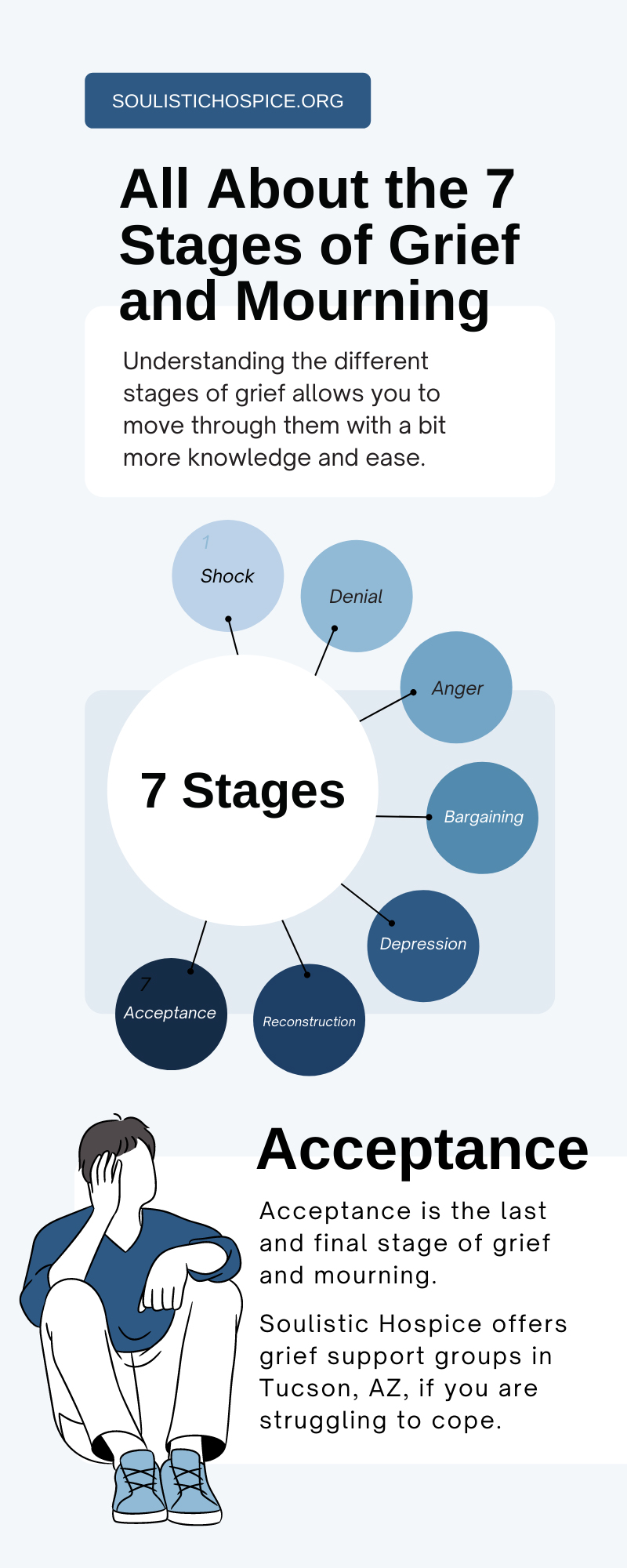
While every person experiences despair in different ways, identifying the numerous stages of grief can assist you prepare for and understand a few of the reactions you may experience throughout the mourning process. It can likewise help you recognize your needs when regreting and locate means to satisfy them. Recognizing the mourning procedure can ultimately assist you work towards acceptance and healing.
You might recognize feelings that a stage explains, and this will assist you understand which stage you are in. Phases can also come and go, and and earlier stage can return later on.

Despair is a global human experience that touches everyone at some factor in life. Whether it's the loss of an enjoyed one, the end of a partnership, a job setback, or another substantial adjustment, sorrow is the natural emotional action to loss. According to the American Psychological Organization, approximately 10-20% of people experience complex griefa relentless form of intense griefafter losing a person close to them.
It represents the intensity of your love and the depth of your loss. The bargaining stage frequently includes a collection of "what happens if" and "if just" ideas as you emotionally negotiate for a different result: "So I had taken them to the doctor faster ..." "What happens if I had been a much better partner/friend/child?" "I assure to be a better person if this discomfort vanishes"A 2020 testimonial in the Journal of Counseling Psychology discovered that bargaining thoughts took place in approximately 57% of bereaved individuals, with higher prices among those taking care of sudden or unanticipated losses.
From Performance Mode to True Fulfillment
Approval doesn't suggest you're "over it" or that the discomfort has actually vanished. Instead, it suggests you're learning to live with the loss as component of your story: Adjusting to a brand-new fact Discovering new regimens and patterns Experiencing minutes of pleasure without sense of guilt Being able to speak concerning the loss more conveniently Developing definition from your experienceA longitudinal research study published in JAMA Psychiatry discovered that the majority of bereaved people reached some level of approval within 6-24 months, though this timeline differs greatly depending upon aspects like relationship to the deceased and situations of fatality.
Everyone experiences despair in a different way. Your experience of pain and just how you cope with it will depend on various factors. These may include your age, previous experiences with despair and your spiritual or spiritual sights.
Understanding the Protectors That Propel Excellence
Awaiting despair suggests sensation unfortunate prior to the loss happens. Rather than regreting for the person, that is still with you, you may feel pain for the points you won't reach do with each other in the future. When encountering a considerable loss, such as the fatality of a loved one, it is natural to feel many strong feelings.
Individuals diagnosed with an incurable ailment and those dealing with the fatality of an enjoyed one might experience anticipatory sorrow., you may experience lots of feelings including shock, worry and sadness.
You regret lost possibilities or experiences you'll miss even small ones, such as the pleasure of the sunshine or a warm cup of coffee. If somebody you love is encountering an incurable illness, it prevails to experience awaiting pain in the months, weeks and days prior to fatality. You might regret the very same things your enjoyed one is grieving, or different losses completely.
Dissociation in Achievement-Oriented Anxiety Specialists
You might feel that the person you recognized is currently gone, also if they are still literally there. If your liked one has a decline in physical health and wellness or movement, you may feel anticipatory grief as you shed the chance to share experiences, such as pastimes, vacations or occasions.
This is especially true if you invest a lot of time taking care of the person. You might miss out on tasks you used to take pleasure in together and really feel sorrow regarding the modification in your partnership. The nature of your connection may transform as you take on a carer's function, or become the one being looked after.
How Focused Treatment for Professionals Makes a Difference in Los Angeles
Sensations of despair prior to fatality are typical it's crucial to acknowledge them, and to chat regarding them. Experiencing anticipatory sorrow does not necessarily mean that you will certainly regret your liked one any kind of much less after they are gone.
Unburdening Shame-Based Patterns
Check out the CareSearch website for links to palliative care and end-of-life details in an array of community languages. Call Carer Entrance on 1800 422 737 for sources to support for Aboriginal and/or Torres Strait Islander carers and areas. CareSearch gives details on comprehending bereavement, end of life and palliative care requirements of the LGBTIQA+ community. In truth, we do not experience sensations of despair one at a time or in a specific order. You may experience these things due to the fact that they are all typical sensations of pain.
Some people feel numb after the death of an individual they cared around. If you experience this, it might be because it's simply too difficult to think that the individual you know so well is not coming back.
Early Wound Healing for Professionals Through EMDR in Los Angeles
Perhaps they guarantee themselves that they will now always do (or not do) something, believing that it can make the individual who has passed away come back. People might additionally locate that they keep going back over the past and ask great deals of 'what if' questions, wanting that they might go back and transform things so that they might have turned out differently.
These sensations can be extremely extreme and excruciating, and they may come and go over many months or years. But most individuals find that painful sensations such as this become much less strong with time. If you do not feel this holds true for you, then you should request aid.
Her version became extensively approved as a way to recognize sorrow, yet with time, grief counsellors and researchers increased upon it, bring about the growth of the. This extensive design incorporates extra psychological reactions that individuals might experience: The first response to loss frequently brings shock and shock. This phase functions as a protective device, enabling us to take in the reality of our loss in workable dosages.
Depression Behind the Facade of Accomplishment
As the shock fades, deep psychological pain sets in. Feelings of remorse or guilt might arisewondering if you can have done something in a different way, or feeling sorrow over points left unexpressed. It's vital to acknowledge these feelings instead of suppress them. Despair can materialize as angertoward yourself, others, or even the individual that has actually passed.

Table of Contents
- – From Performance Mode to True Fulfillment
- – Understanding the Protectors That Propel Excel...
- – Dissociation in Achievement-Oriented Anxiety ...
- – How Focused Treatment for Professionals Makes...
- – Unburdening Shame-Based Patterns
- – Early Wound Healing for Professionals Throug...
- – Depression Behind the Facade of Accomplishment
Latest Posts
Navigating Peer Rejection and Invalidation Experiences
Why IFS Transforms the Neural Pathways in Anxiety Practitioners
Understanding the Purpose in Memory Reconsolidation throughout Eye Movement Desensitization and Reprocessing with Accelerated Resolution Therapy
More
Latest Posts
Navigating Peer Rejection and Invalidation Experiences
Why IFS Transforms the Neural Pathways in Anxiety Practitioners